Most photographers do not need a bigger audience. They need a closer one. A wedding venue eight miles down the road, a café on the high street, a coworking space where forty members all need headshots — these are people you can actually meet, and the ones most likely to book you again. Local marketing is slow, unglamorous and stubbornly effective. Here is how to work it properly in a UK city or town.
Networking has a bad reputation because most people do it badly: they arrive, talk about themselves, and leave with a handful of cards that never turn into work. The version that works is smaller and more human. Pick two or three regular gatherings and keep turning up until people recognise you.
In most UK towns that means a Chamber of Commerce event, a Federation of Small Businesses meet-up, a referral networking group, or something less formal — a running club, a pub quiz team, a choir, the volunteers who run the summer festival. Your local Business Improvement District often publishes a directory of high street businesses and runs events of its own. Councils list markets, fairs and arts trails. All of it is free intelligence about who is nearby and what they are planning.
Go with one clear sentence about what you photograph and who you photograph it for. "I shoot food and interiors for independent cafés" starts a conversation. "I'm a photographer" ends one. Take a phone or tablet with ten images on it, not two hundred. And ask questions: what is coming up for their business this year, what do they struggle to show online, who else in town does what they do well. You will leave with more leads from listening than from talking.
Independent businesses are your bread and butter, and most are quietly under-photographed. The owner took the product shots on a phone in 2019 and has been meaning to sort it out ever since. A short, specific approach cuts through where a generic mailshot will not.
Businesses worth approaching in almost any town:
Keep the email to four lines. Say what you noticed about their business, what you would photograph, roughly how long it takes, and what it costs. Attach or link two images in a similar style. If they do not reply, walk in on a quiet Tuesday morning and ask for the owner by name — many small business owners never read their enquiries inbox properly.
Photographers who turn up, shoot well and deliver within a week beat better photographers who do none of those three things.
Venues are where local photography work compounds. A hotel with a function room, a barn conversion, a pub with a covered courtyard, a gallery, a church hall, a coworking space — each one has clients who need a photographer and no easy way to recommend one.
Approach with something to give before you ask. Offer to shoot a quiet afternoon at the venue for free or at a reduced rate, on the understanding that you can use the images and be listed as a recommended supplier. Be clear about what you want in return: a name on their website, a mention when couples or event bookers ask, permission to use the space for occasional shoots.
Coworking spaces are the easiest win. Offer a headshot day, split the fee or the booking with the space, and let them use the photographs to promote it. One morning can produce twenty portraits and twenty new contacts who all work within walking distance.
Community visibility does more for a photography business than most advertising. Many counties run open studio trails where artists and makers open their doors to the public over a fortnight. Libraries, cafés, pubs and community centres will often hang a small print run for a month at no cost. Farmers' markets, town festivals and street fairs sell stall space cheaply.
Keep the display tight: eight to twelve prints, all in the same visual mood, with a clear price list and a way to get in touch. A QR code to your site is fine, but have something physical too — a card, a small book, a sign-up sheet for a newsletter. Talk to the people who stop. The goal is not to sell a framed print on the day; it is to be the photographer someone remembers three months later when their daughter gets engaged.
Local work dries up when you stop showing up. A simple rhythm, repeated, is worth more than any burst of effort:
That is roughly half a day a month. It is also, reliably, how a quiet diary fills up.
Write a list of twenty businesses and venues within three miles of where you live. Pick ten and send a short, specific email to each. Book one networking event and go, even if you hate the thought of it. Offer one venue a free shoot in exchange for a supplier listing. Then print eight images and ask your local café, library or barber if they will hang them for a month.
None of it is glamorous, and none of it happens overnight. But a photographer who is known in their own town — who turns up, delivers quickly and gets on with people — rarely has an empty month. Start with the street you live on, and work outwards.
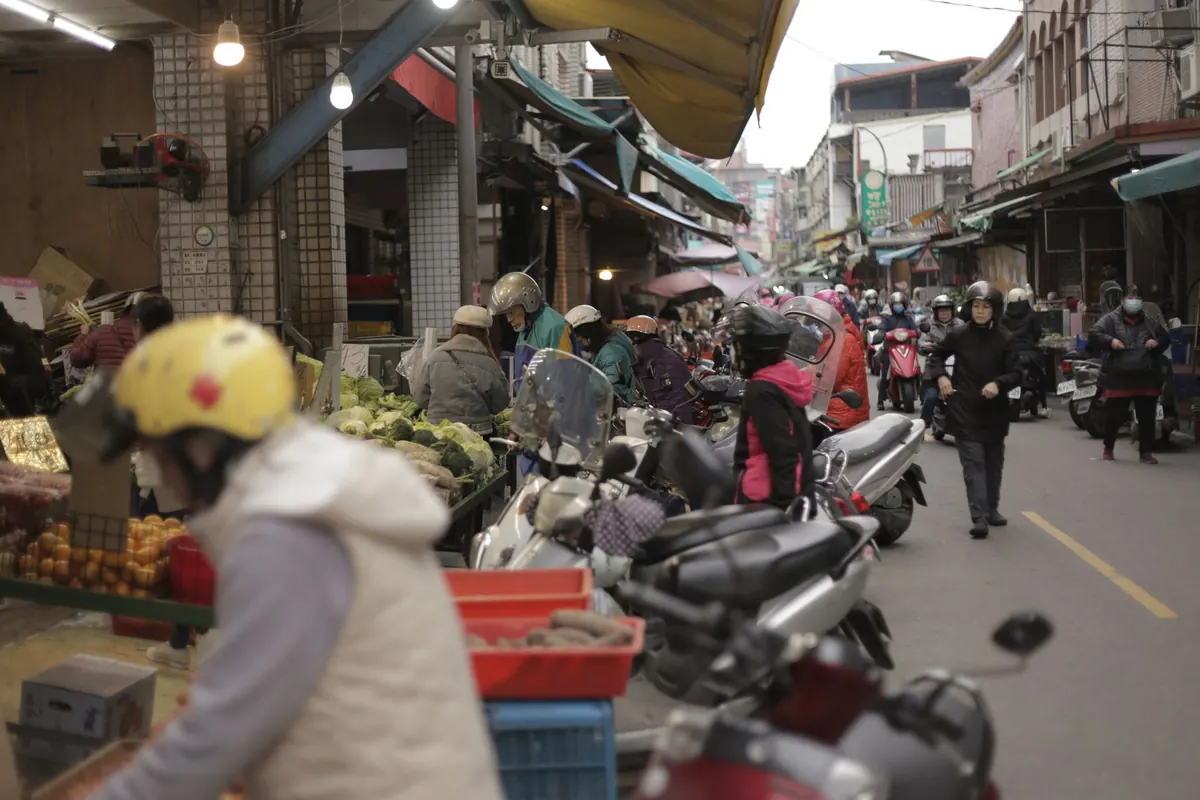
Photo: mingche lee / Pexels